How to Find Products to Sell on Amazon: A Seller’s Data-Driven Playbook
Choosing the right ecommerce platform can simplify store management, improve customer experiences, and support business growth. Compare features, costs, scalability, customization, and integrations before selecting the best platform.
Most new Amazon sellers fail because they don't pick the right product. Finding products to sell on Amazon is the first condition for running your business on Amazon. First, you need to determine the business model. Then, understand the profitable product metrics. Focus on products that are in high demand, yet have low competition. Nonetheless, you need to use tools like Product Opportunity Explorer to make a data-driven decision.
Choosing the wrong product will end your journey even before making the first sale. That’s why you need to invest days in figuring out which product you can offer best and remain relevant in the competition. Just following the trend and randomly picking a product that’s already sold by dozens of niche authorities gets you nowhere.
According to Amazon, more than 60% of sales in Amazon’s store are from small and medium sellers. So, you can run a profitable ecommerce business on Amazon if you know what to sell. That’s why product research is so important at the beginning.
Amazon Product Research Basic Criteria
Here is the snapshot first, then we go deep. Treat these as starting filters for the US marketplace. UK, EU, UAE, and Australia shift on fees and price bands, but the logic holds everywhere.
Criteria
Target to aim for
Why it matters
Demand (BSR)
Under 50,000 in the main category
Confirms steady sales, not a one-off spike
Monthly sales
300+ units (about 10 a day)
Enough volume to be worth the work
Competition
Fewer than 500 reviews on top sellers
Leaves room for a new listing to rank
Sellers per listing
2 to 15
Above 15 invites price wars and thin margins
Price range
$15 to $50
High enough for margin, low enough for impulse
Profit margin
30%+ after all fees
Survives ads, returns, and fee hikes
Size and weight
Small and under 2 to 3 lbs
Keeps FBA storage and shipping fees low
Pick Your Business Model Before You Pick a Product
What are the main Amazon business models for sellers?
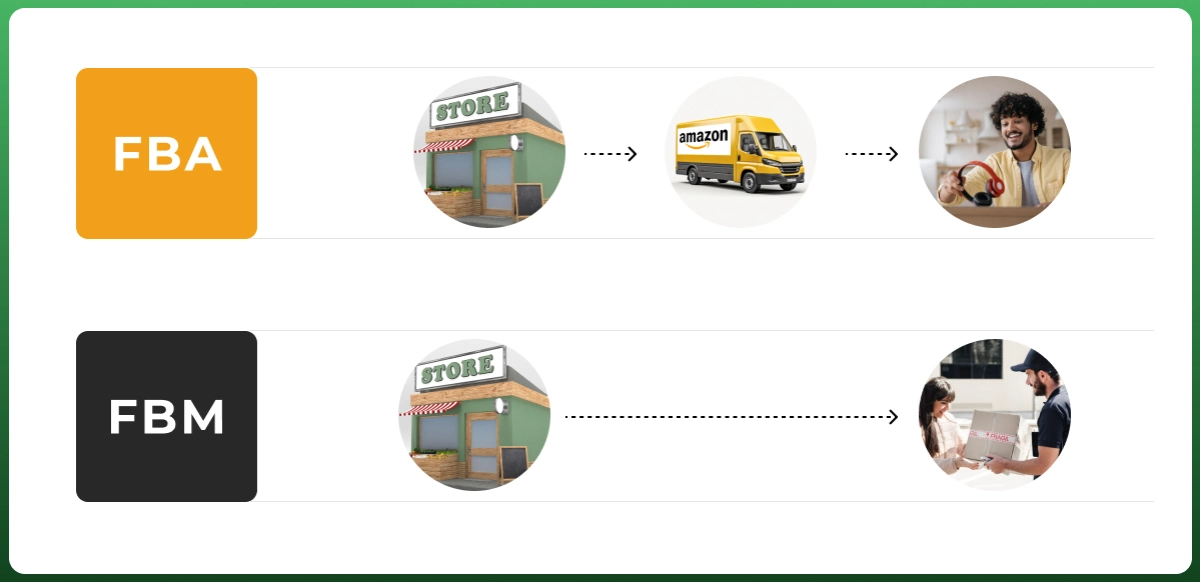
The main models are private label, retail and online arbitrage, wholesale, and dropshipping, and each pairs with a fulfillment choice: FBA or FBM. FBA means Amazon stores, packs, and ships for you. FBM means you handle that yourself. Your model decides what kind of product makes sense.
The private label vs. retail arbitrage debate comes up early for most new sellers. Retail and online arbitrage means buying branded items cheaply and reselling them for a profit. It starts fast and cheap, but margins are thin, and you fight other resellers for the Buy Box. Wholesale scales that deal with bulk buying from distributors.
Private label means putting your own brand on a sourced product. It costs more upfront and takes longer, but you own the listing and the brand. There is no Buy Box fight because the listing is yours. Dropshipping needs little capital, though Amazon's rules are strict and margins stay tight.
Which model builds long-term brand equity?
Private label builds the most long-term brand equity because you control the listing, the reviews, and the customer relationship. Arbitrage and wholesale generate cash, but you are renting demand on someone else's brand. The day a distributor cuts you off, that income stops.
If your goal is an asset you can grow or sell later, private label wins. Enrolling in Amazon Brand Registry unlocks A+ Content, brand analytics, and protection tools that resellers never touch. Pick the model first, because a private label product and an arbitrage product are vetted with different rules.
Already know your model and want the account side handled right? Our team sets up and runs your store end-to-end with Amazon seller account management, so you can spend your time on sourcing instead of admin.
How to Find Products to Sell on Amazon: The Numbers That Matter
This is the core of how to find profitable products to sell on Amazon. Once a product idea clears your business model, run it through hard numbers before you spend a dollar. The criteria table above is the summary. Below is the reasoning because the numbers only help when you know why they exist.
What metrics make a product profitable?
A profitable product shows proven demand, manageable competition, and healthy margins after every fee. Start with demand. As a general starting point, many sellers look for products with a Best Sellers Rank below about 50,000 in their primary category. Many sellers target products selling at least 300 units per month.
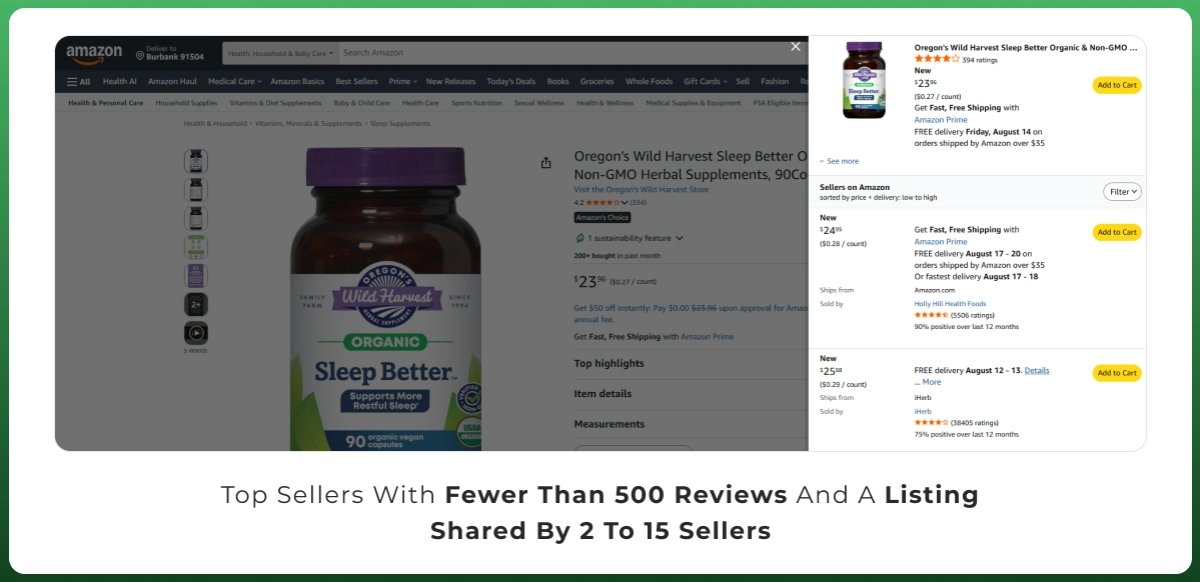
Then check the competition. If the top listings each carry thousands of reviews, a new seller has no path in. Look for top sellers with fewer than 500 reviews and a listing shared by 2 to 15 sellers. More than 15 sellers usually mean a price war. If Amazon frequently competes directly for the Buy Box on a listing, it can be difficult for third-party sellers to compete profitably.
Price sits in the $15 to $50 band for a reason. Under $15, fees eat you alive. Over $50, buyers hesitate, and you tie up more cash per unit. After the referral fee, fulfillment fee, landed cost, and ad spend, you want at least 30% left. Many strong sellers push for a margin near half the cost price to absorb returns and fee creep.
How do size and weight affect your profit?
Size and weight hit your profit directly through FBA fees. Amazon charges fulfillment by dimensions and weight, so a small, light item under 2 to 3 lbs keeps those fees low and your margin intact. Every extra pound and cubic inch is money off your bottom line.
Bulky and heavy products also cost more to ship from your supplier and raise storage fees if they sit. Fragile items add returns and complaints. When two products look equal in demand, the smaller and lighter one almost always wins on profit over a full year.
A quick example of the math
Say you are eyeing a pet slow-feeder bowl that sells at $24.99. The numbers are illustrative, but the method is real. Run it before you commit.
Referral fee at 15%: about $3.75
FBA fulfillment for a small, light item: about $5.00
Landed cost from your supplier: about $5.50
That leaves roughly $10.74 per unit, near a 43% margin
Subtract about $3 in ads, and you net about $7.74, near 31%
That product clears the bar. Now flip it. If the supplier cost were $9 and the price held at $24.99, your margin would slip under 20% before ads, and ads would push you toward break-even. Same idea, different sourcing, completely different business. The math decides, not the idea.
How to Research Best Selling Items on Amazon (the Right Way)
Knowing how to find best selling products on Amazon is less about the headline list and more about reading it correctly. Amazon hands you several free demand signals. Used together, they point to real opportunities instead of crowded dead ends.
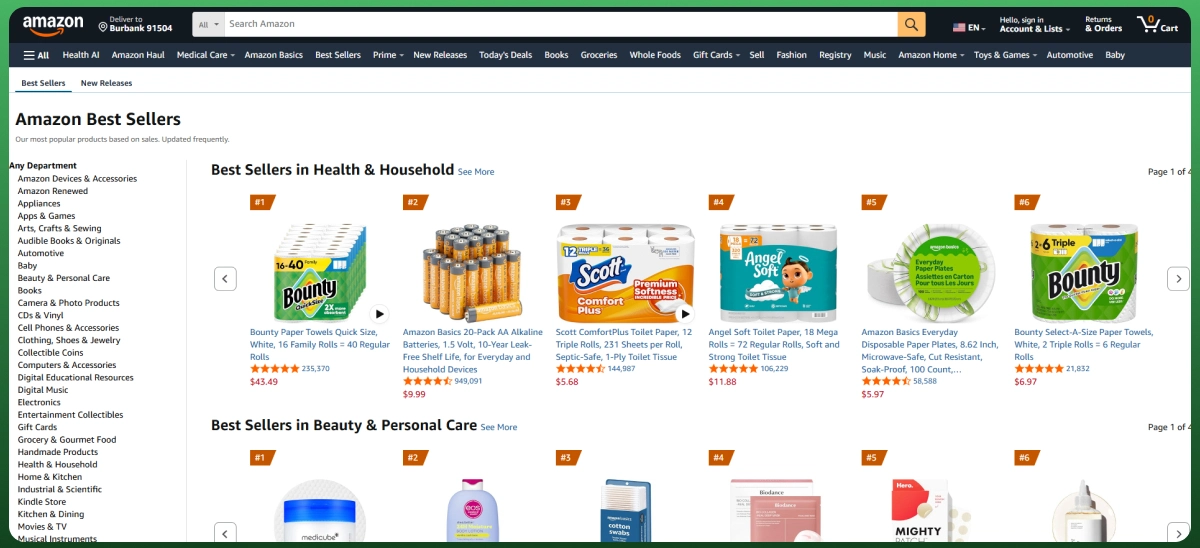
How to use the Amazon best sellers page and BSR
Use the best sellers page by going narrow, not broad. Open a category, then drill into the deepest subcategory you can find, because that is where less crowded openings hide. Inside each list, the Amazon Best Sellers Rank tells you how a product sells against its peers.
A lower Bestsellers Rank means stronger sales, but read it within the same category, since ranks do not compare across categories. Look for items ranking well that still carry low review counts. That combination, real sales with a thin review wall, is the gap you want.
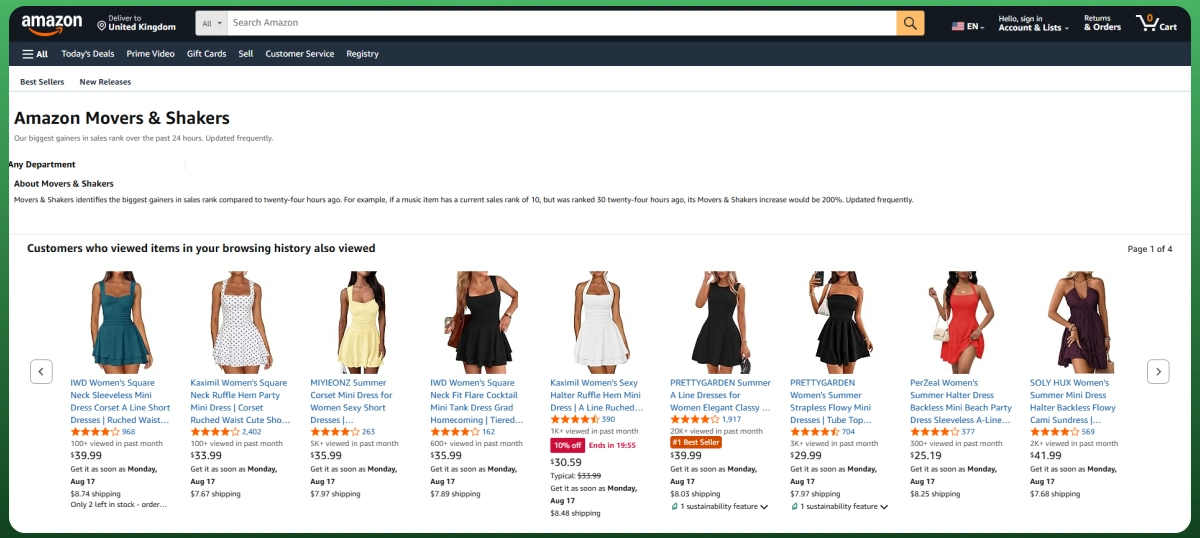
Pair the main list with Movers & Shakers for products gaining rank fast, plus Hot New Releases and Most Wished For for rising demand. When the same kind of product shows up across several of these lists, that cluster is a signal that buyer interest is climbing, not fading.
Layer in Google Trends to check whether a category is seasonal or steady before you buy. Seeing demand peak every December tells you to plan inventory or to avoid the item if you want year-round cash flow.
Amazon Product Opportunity Explorer: Your First-Party Data Edge
What is Product Opportunity Explorer?
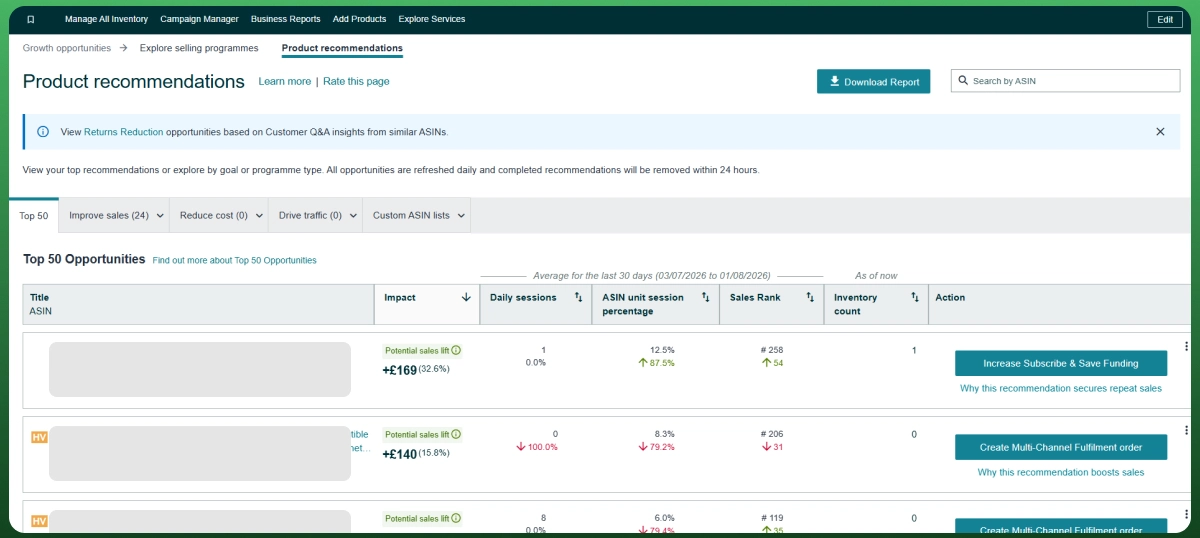
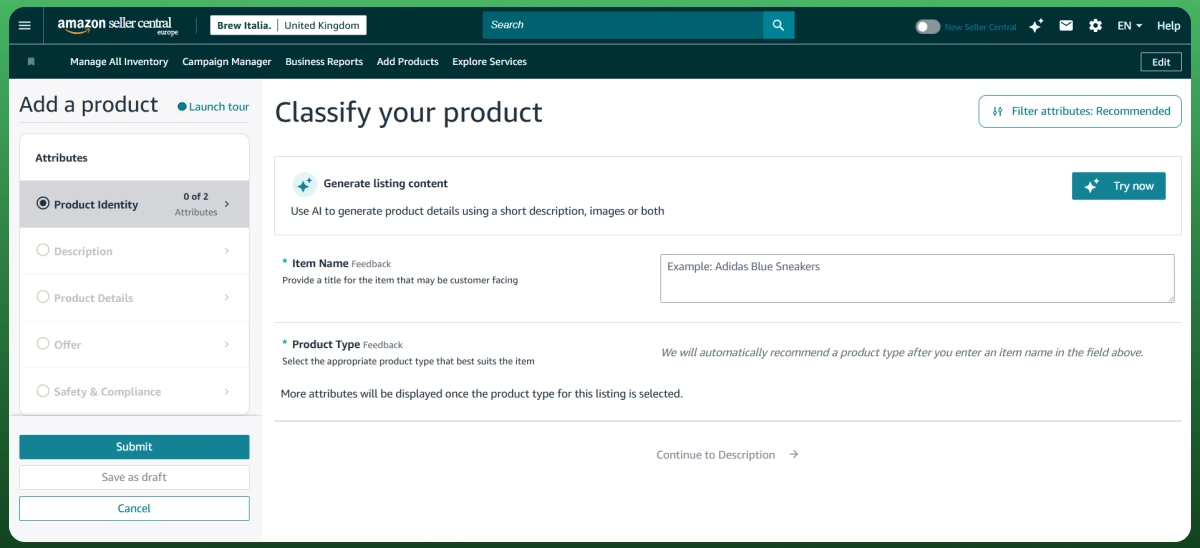
The Amazon Product Opportunity Explorer is a free tool inside Seller Central that shows real Amazon demand data by niche. You reach it under Growth in your seller dashboard. It groups search terms into niches that represent specific customer needs, then shows how those niches actually perform.
This is first-party data straight from Amazon, not an estimate from a third-party scraper. When Amazon tells you a niche has rising searches and few products meeting that demand, you are about as close to insider information as a seller can get without breaking a rule.
How does it help you find profitable products?
It helps by showing demand against supply, so you can spot gaps where customers want something the market has not delivered. The tool surfaces unmet demand, which is a cluster of search terms with lower conversion than the benchmark. That pattern means high interest and low competition, the exact mix you hunt for.
Amazon's own data backs this up. Sellers who engaged with Product Opportunity Explorer saw a 1.79% lift in gross sales over the following 12 months, per Amazon's internal study of US, EU, and Japan sellers. Small on paper, real in practice, and it costs nothing to use.
Which POE metrics should you check?
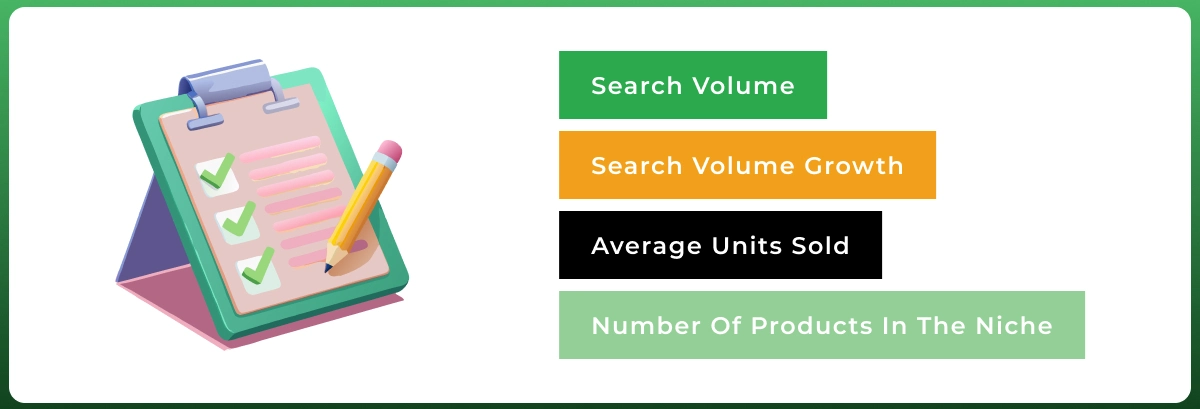
Check four metrics first: search volume, search volume growth, average units sold, and the number of products in the niche. High and rising search volume with a low product count is the green light. Many searches chasing a few products is the definition of an opening.
Then read the review insights and return data inside the niche. If buyers keep complaining about the same flaw, that is your product brief written for you. You are not guessing what to improve. The market already told you, in its own words.
Amazon Product Research Tools (and When You Actually Need Them)
You can start with free methods, but product research tools save hours once you are serious. The honest take from years of use: tools speed up validation; they do not replace judgment. Here is how the main Amazon product research tools compare by job.
Tool
Best for
Cost
Product Opportunity Explorer
First-party demand and niche gaps
Free with a seller account
Keepa
Price and sales history over time
Free tier, paid for full data
Jungle Scout
Sales estimates and product database
Paid
Helium 10
All-in-one research and keywords
Free tier, paid plans
AMZScout
Beginner-friendly product database
Paid, free trial
SmartScout
Top-down category and brand view
Paid
My advice: start with the free pair, Product Opportunity Explorer for niches, and Keepa for history. A six-month stable trend on a Keepa chart matters more than any single day's snapshot. Add a paid all-in-one tool like Jungle Scout or Helium 10 once you are scanning many products and need faster sales estimates.
If you sell across several channels, a multichannel software setup keeps research, inventory, and listings in sync so you are not rebuilding spreadsheets for every marketplace.
Why Most Sellers Pick the Wrong Product
What goes wrong in Amazon product research?
Most product research fails for one reason: sellers fall in love with an idea before checking the data. They find a product they like, then go looking for numbers to justify it. That is backwards. The data should pick the product, not your hobby or your hunch.
The second trap is shallow research. People glance at a best seller, see big sales, and assume they can grab a slice. They never check how many sellers share that listing, how thick the review walls are, or whether Amazon itself owns the Buy Box. Those gaps drain budgets fast.
Why relying only on the Amazon best sellers page is risky
Relying only on the Amazon best sellers page is risky because it shows you what already sells, which means heavy competition and established brands. Everyone scanning that page sees the same items. By the time you source one, ten other sellers had the same idea last month.
The list is also a moving target. Rankings shift hour to hour, so a product that looks hot today can cool off before your inventory clears customs. Use the best sellers page for ideas and demand signals, not as your final answer.
What makes a product niche actually sustainable?
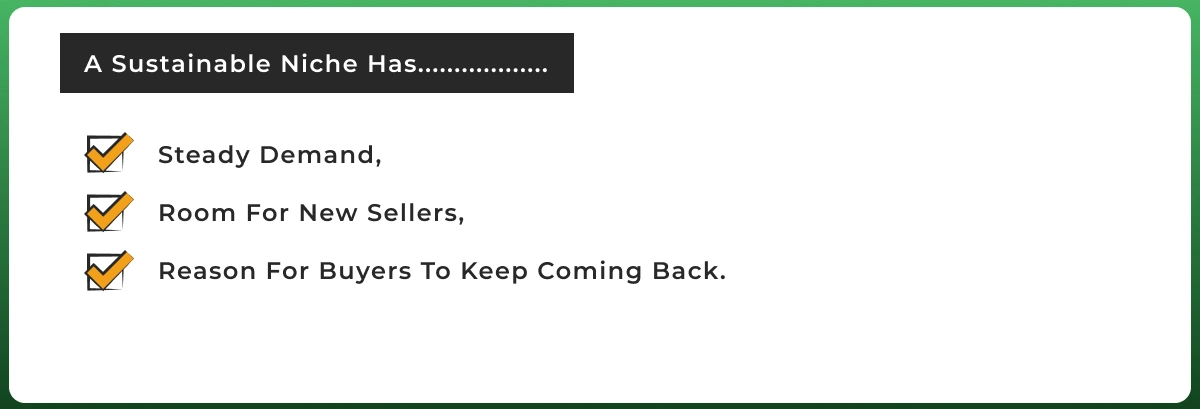
A sustainable niche has steady demand, room for new sellers, and a reason for buyers to keep coming back. Evergreen needs to beat seasonal fads. A reusable pet item people reorder beats a holiday gadget that dies in January.
Look for niches where you can add a small, real improvement. If buyers complain about a flimsy handle or a missing lid, that is your opening. A defensible niche is one where you solve a problem the current sellers ignore, not one where you simply undercut on price.
Creative Sourcing Methods Most Sellers Ignore
The data tools tell you what is selling. These next methods tell you what buyers want before they even search for it. This is where you find products to sell on Amazon that your competitors have not spotted yet.
Keyword-first research with Amazon autocomplete
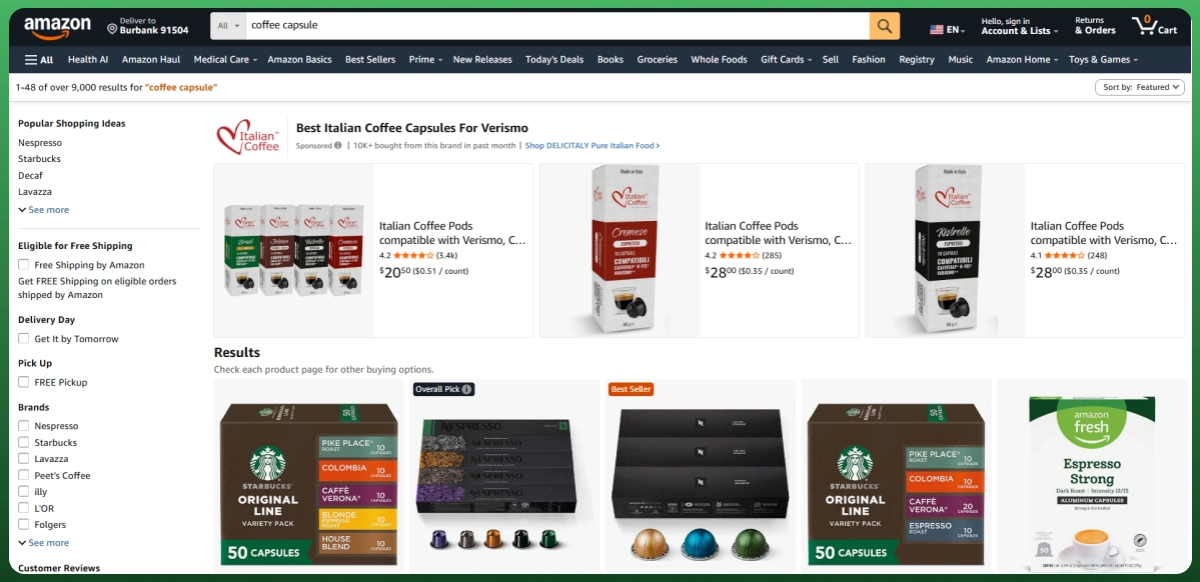
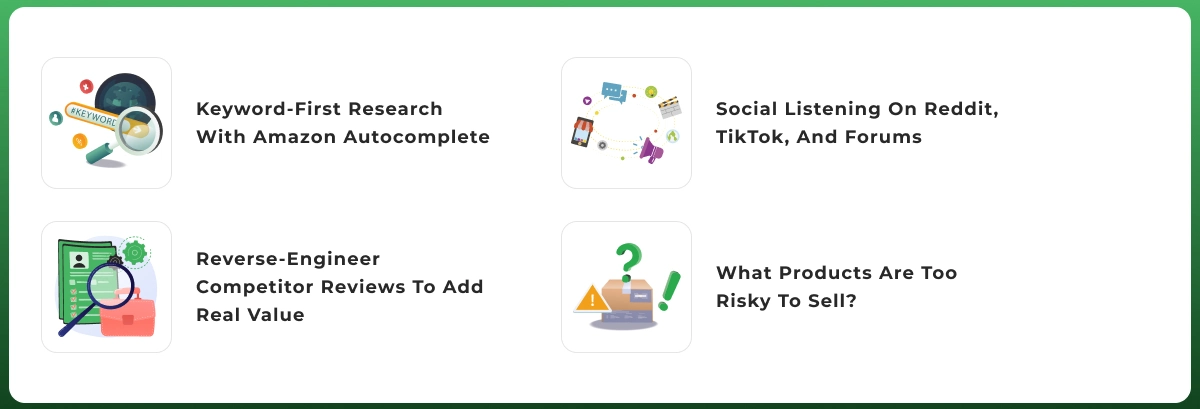
Keyword-first research flips the usual order. Instead of finding a product and checking if people search for it, you start with what people search for, then find the product. Type a seed term into the Amazon search bar and read the autocomplete suggestions. Those are real searches from real buyers.
Type coffee mug, and you might see coffee mug with lid, coffee mug for men, or coffee mug warmer. Each one is a specific request or an accessory opening. Chase the long, specific phrases. They show clear intent and usually face less competition than the broad head term.
Social listening on Reddit, TikTok, and forums
Social listening means reading where buyers complain and wish out loud. Search Reddit threads for a product category and look for lines like "I wish someone made." Scan TikTok tags like #AmazonFinds for products spiking before they peak. Niche hobby forums hide underserved needs that big brands never bother to fill.
This is also where channel strategy pays off. A trend that breaks on TikTok Shop often shows up on Amazon weeks later, so watching social early gives you a head start. If social is part of your plan, a focused social media marketing push can validate demand before you order a single unit.
Reverse-engineer competitor reviews to add real value
Reverse engineering means starting with a product that already sells, then fixing what buyers hate about it. Find a listing with strong sales but mediocre ratings, around 3.5 to 4.2 stars. Read the negative reviews and pull out the top three or four complaints.
If buyers say the handle breaks, the size runs small, or there is no lid option, you have a product brief. Source a version that solves those exact problems. You are not reinventing the category. You are adding one real improvement to a proven seller, which is the safest way to differentiate without re-engineering from scratch.
Note: Review count alone shouldn't determine competitiveness. Brand strength, listing quality, and advertising also matter.
What products are too risky to sell?
Some products carry liability that wipes out the profit. Avoid items that arrive gated or restricted on your account, products with active intellectual property complaints, and brands you have no right to resell. These get listings pulled and accounts suspended, which costs far more than any single product earns.
Be cautious with hazmat items, anything meltable, fragile goods, and complex electronics with high return rates. Categories with returns under 5% give you predictable profit. A product is only good if you can sell it safely and keep selling it. Check restrictions before you fall for the numbers.
Supplier Sourcing: Turning a Validated Idea Into Inventory
Once a product clears your vetting framework, supplier sourcing turns the idea into real stock. This stage is where money leaves your account, so caution here protects everything you built in research.
How do I source products safely without getting scammed?
Source safely by vetting suppliers, ordering samples, and never wiring large sums to an unverified contact. On Alibaba, favor suppliers with several years in business, verified status, and trade assurance. For lower prices, 1688, Alibaba's domestic Chinese platform, can run 30% to 50% cheaper, though you will need a sourcing agent to handle language and logistics. Prices on 1688 are often lower than on Alibaba because the platform primarily serves the domestic Chinese market.
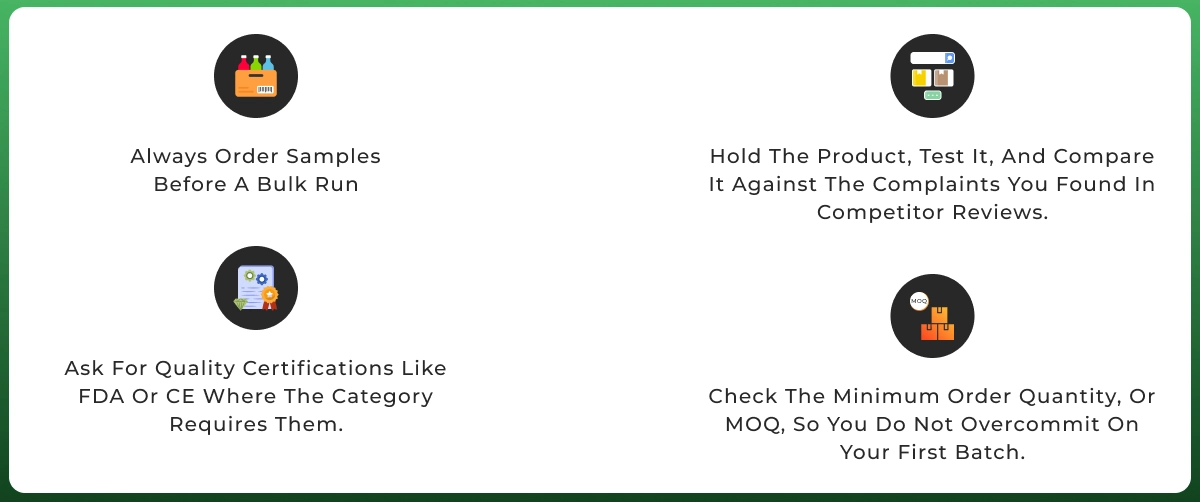
Always order samples before a bulk run. Hold the product, test it, and compare it against the complaints you found in competitor reviews. Ask for quality certifications like FDA or CE where the category requires them. Check the minimum order quantity, or MOQ, so you do not overcommit on your first batch.
What should I ask suppliers during an RFQ?
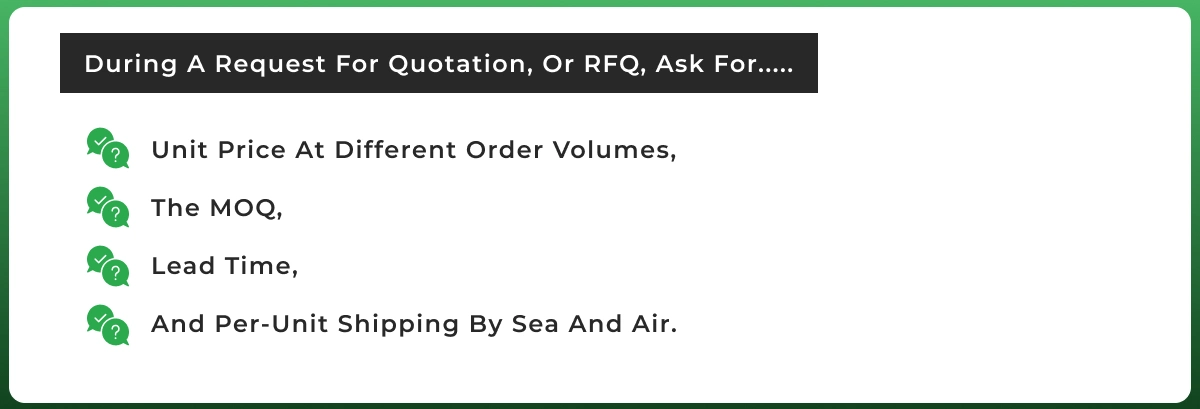
During a Request for Quotation, or RFQ, ask for unit price at different order volumes, the MOQ, lead time, and per-unit shipping by sea and air. Get clear answers on packaging, customization options, and what certifications they can provide with documentation.
Ask how they handle defects and what their return or replacement policy is for faulty units. Request references or a sample shipment history to the US or EU, which proves they can clear customs. A supplier who dodges these questions is telling you something. Walk away early rather than after a wire transfer.
Before You Launch: The Pre-Launch Checklist
Finding the product is half the job. The other half is making sure it can rank and sell once it lands. Sellers who skip this step watch good products sink because nobody can find them.
What must happen for your product ranks?
Your product ranks when the listing is built around the keywords buyers actually use. Pull the search terms from your keyword research and place the most relevant ones in the title, bullets, and backend search fields. Write for the buyer first, then weave keywords in, since stuffing reads badly and converts worse.
Strong images carry the sale. Use clean, accurate photos that match what buyers expect, because mismatched sizing is a top complaint and a top returns driver. If you are brand registered, add A+ Content to lift conversion. A polished listing protects the inventory investment you just made, and a well-managed marketplace presence keeps it consistent as you grow.
How do you get a new product onto Amazon's first page?
You reach the first page by combining early sales velocity with relevant traffic, and that usually means ads at launch. A new listing has no ranking history, so Amazon PPC drives the first wave of clicks and sales that signal relevance to Amazon's product search algorithm.
Pair ads with steady, honest reviews and competitive pricing in your first weeks. As sales velocity builds on your target keywords, organic rank follows. The goal is a tight loop: relevant traffic, real conversions, then improving rank that lowers your reliance on ads over time.
Want your launch to actually rank instead of stall? Our Amazon PPC management builds the early sales velocity new products need, so your listing climbs to page one faster and holds there.
One more veteran note: do not anchor your whole business to one marketplace. Once a product proves out on Amazon, the same research often translates to other channels.
How do I find out what products to sell on Amazon?
Start with demand data, not ideas. Browse Amazon Best Sellers and Product Opportunity Explorer to spot niches, then validate each one against demand, competition, and margin before you commit. Let the numbers narrow the list down to two or three real options.
Can I find and sell products without using premium software?
Yes. Free methods cover a lot: Amazon Best Sellers, search bar autocomplete, Product Opportunity Explorer, Keepa's free tier, Google Trends, and Reddit research. Paid tools speed up validation when you scale, but they are not required to start finding profitable products.
How do I get products to Amazon to sell?
After sourcing from a supplier, you send inventory to Amazon's fulfillment centers if you use FBA, and Amazon stores, packs, and ships orders for you. With FBM, you store and ship the products yourself. Most new private label sellers choose FBA for the logistics and Prime eligibility.
Where can I get products to sell on Amazon?
Wholesale distributors, manufacturers, and platforms like Alibaba and 1688 are common sources for private label and wholesale. Arbitrage sellers buy from retail stores and other online marketplaces. Always order samples and verify the supplier before placing a bulk order.
What is a good starting budget to find and sell products on Amazon?
Many private label sellers start in the range of a few thousand dollars to cover a first inventory run, samples, the professional selling plan at $39.99 a month, and early ads. Arbitrage can start smaller. Keep enough reserve for a second order so you do not stock out after a strong launch.
How do I know if an Amazon product category is saturated?
A category looks saturated when the top listings all carry thousands of reviews, major brands own page one, several sellers share each listing, and Amazon itself competes for the Buy Box. If new entrants have no realistic path to rank, move on to a narrower subcategory.
How do I sell on Amazon as a beginner?
Pick a business model, validate one product against the vetting framework, source it safely with samples, then build a keyword-driven listing and support the launch with ads. Start with a single, well-researched product rather than spreading thin across many at once.
What sells fastest on Amazon?
Evergreen, everyday products in categories like Home & Kitchen, Beauty & Personal Care, and Health & Household tend to move fastest because demand is steady year-round. Lightweight, low-price impulse items in the $15 to $50 band sell quickly when the listing and reviews are solid.
Final Word
Finding products to sell on Amazon is a process, not a lucky guess. Pick your model, run every idea through hard numbers, lean on Amazon's own data, and source with caution. The sellers who win are not smarter. They are more systematic, and they let the data make the call.
Work the framework, validate before you buy, and launch with a plan to rank. Do that, and you stop gambling on products and start building a business. When you are ready to scale the operational side, our ecommerce marketplace team can take the management off your plate so you stay focused on the next winning product.
Need Help Finding Products To Sell On Amazon?
Get Expert Amazon Product Research And Store Management Services From Ecomgiantz.
Ecomgiantz Team consists of our in-house experts who share their hands-on experience in ecommerce businesses, websites, marketplaces, etc. We also share the latest updates, insights, and market trends that can be helpful for your online business.